
Why Most Startups Fail at Generational Marketing and How to Fix It
Discover why most startups fail at generational marketing and how startups can fix it with actionable strategies, real examples, and proven frameworks to target Gen Z, Millennials, and beyond.
MARKETING
4/22/202613 min read
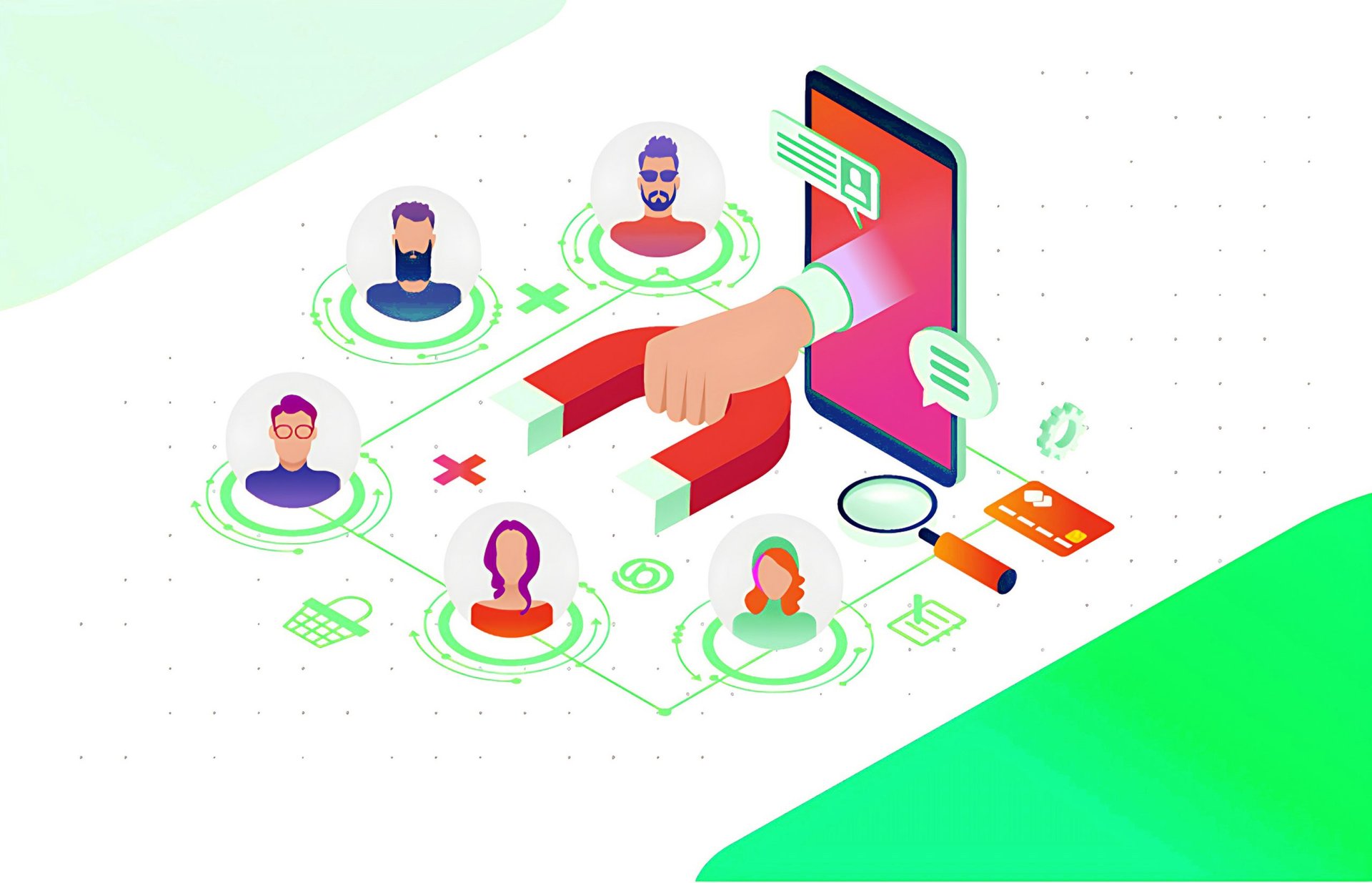
Most startups launch with a brilliant idea, a strong vision, and an ambitious marketing strategy. They invest in product development, branding, and advertising, hoping to attract customers quickly and scale fast. But in the race to grow, many startups make one of the most expensive marketing mistakes they assume they know their audience without truly understanding them. They believe their messaging is broad enough to appeal to everyone, when in reality, trying to speak to everyone often means connecting with no one.
Many startups think they understand generational preferences. They assume Gen Z loves trends, Millennials only care about affordability and experiences, and older generations are less active online. While these assumptions may sound reasonable, they are often outdated, oversimplified, or misleading. Consumer behavior today is far more complex than age-based stereotypes. People across generations use different platforms, consume content differently, and have unique expectations from brands.
This is exactly why so many startups fail at generational marketing. Generational marketing is not simply about dividing audiences by age groups it’s about understanding behavior, psychology, buying habits, trust signals, and communication styles. A campaign that performs exceptionally well with Gen Z on TikTok may completely fail with Generation X on Facebook. Similarly, Millennials may connect with brands that focus on authenticity, social proof, and experiences, while older audiences may prioritize reliability, quality, and customer support.
The challenge becomes even bigger because startups usually don’t have unlimited budgets. Every ad campaign, every click, and every marketing decision matters. When they use the wrong message on the wrong platform for the wrong audience, they waste money, see low engagement, poor conversions, and struggle to build customer loyalty. In a crowded digital market where consumers make split-second decisions, brands need to connect instantly and meaningfully.
The startups that succeed today are not always the ones with the biggest budgets or the flashiest ads. They are the ones that deeply understand how different generations think, shop, scroll, and engage online. Instead of relying on assumptions, they build strategies based on audience insights and real behavior. So, what exactly are startups doing wrong and more importantly, how can they fix it? Let’s break it down.
What Is Generational Marketing ?
Generational marketing is the strategy of tailoring your messaging, content, and platform choices based on the shared experiences, behaviors, interests, and expectations of different age groups. It helps brands create more personalized and relevant campaigns that connect with people in a way that feels natural and meaningful. Instead of using one generic message for everyone, businesses adjust their tone, visuals, offers, and communication style to match what each generation responds to best.
But here’s the most important insight: generational marketing is not just about age it’s about mindset. Two people may fall into the same age bracket yet behave completely differently online based on their lifestyle, values, and digital habits. This is why successful startups look beyond simple demographics and focus on psychology and behavior. They study how people consume content, what influences their buying decisions, what kind of messaging builds trust, and which platforms they spend time on.
For example, Gen Z tends to value authenticity, fast communication, and highly visual or short-form content. They are drawn to brands that feel real, socially aware, and entertaining, often engaging on platforms like TikTok and Instagram. Millennials often prioritize convenience, value for money, social proof, and brand trust. They are more likely to research before buying and appreciate brands that offer seamless online experiences. Meanwhile, Generation X often focuses on reliability, practicality, and quality. They tend to respond well to clear messaging, useful information, and brands that establish long-term trust.
If startups focus only on demographics such as age, gender, or location without understanding behavior, they miss the bigger picture. A 25-year-old and a 35-year-old may both use social media, but the type of content they consume, the platforms they prefer, and the reasons they buy can be completely different. Understanding these deeper motivations is what makes generational marketing effective.
In simple terms, generational marketing is about speaking the right language, on the right platform, with the right message, to the right audience. And for startups with limited budgets, getting this right can mean the difference between wasted ad spend and real business growth.
Why Most Startups Fail at Generational Marketing
Let’s uncover the real reasons why so many startups struggle with generational marketing despite having great products and ambitious goals.
One of the biggest mistakes startups make is stereotyping instead of understanding. Many assume that everyone within the same generation behaves the same way. They think every Gen Z user loves memes, spends all day on TikTok, and makes impulsive buying decisions. Similarly, they may assume every Millennials user prefers email, avoids trends, and makes purely logical purchases. The reality is far more complex. Consumer behavior is influenced by personality, lifestyle, interests, and values not just birth year. When startups rely on assumptions instead of research and data, they create generic campaigns that fail to connect emotionally or practically with their audience.
Another major reason startups fail is choosing the wrong platforms. Even the best message can fail if it appears in the wrong place. For example, many startups still run heavy Facebook campaigns hoping to attract Gen Z, while ignoring platforms like YouTube, Instagram Reels, or short-form video platforms where younger audiences spend more time. Successful brands understand that each platform serves a different purpose. Netflix, for instance, adapts content across multiple channels short entertaining clips on social media, long-form storytelling on its platform, and personalized recommendations based on viewing behavior. The lesson is simple: your audience is not just defined by who they are, but also by where they spend their time.
A third common mistake is copying big brands without strategy. Startups often look at successful campaigns from major companies and try to replicate the style without understanding the strategy behind them. Take Nike as an example. Its campaigns resonate across generations because they are built on emotional storytelling, powerful values like equality and empowerment, and a consistent brand voice. Startups often copy the visuals, trendy music, or bold messaging but miss the deeper brand alignment and audience research that make those campaigns successful. The result is content that may look attractive on the surface but feels empty or disconnected.
Another major issue is ignoring data and user feedback. Many startups operate on guesswork instead of insights. They launch campaigns without properly tracking engagement, analyzing user behavior, or adjusting based on performance metrics. But audience preferences change quickly. Gen Z trends evolve rapidly, and even Millennials are increasingly consuming short-form video content. Without regularly reviewing analytics and listening to customer feedback, startups continue using outdated strategies that no longer work. Data-driven marketing helps brands stay relevant and adapt in real time.
Finally, one of the most damaging mistakes is using one-size-fits-all messaging. Startups often create one ad, one message, or one campaign and expect it to perform well across every audience segment. But different generations respond to different emotional and practical triggers. Gen Z tends to respond to authenticity, humor, and relatability. Millennials often look for value, convenience, and social proof. Generation X may prioritize trust, reliability, and quality. When brands fail to tailor their messaging, engagement drops, customer interest fades, and conversions suffer.
In the end, most startups don’t fail at generational marketing because their products are bad they fail because their messaging, platforms, and strategies don’t align with the people they’re trying to reach. Understanding your audience deeply, using the right channels, relying on data, and crafting personalized messages can turn generational marketing from a costly mistake into a powerful growth strategy.
How Startups Can Fix Generational Marketing
The good news is that generational marketing mistakes are completely fixable if startups are willing to change their approach. The brands that succeed are not always the ones with the biggest budgets, but the ones that understand their audience deeply and adapt quickly. Instead of relying on assumptions and outdated strategies, startups need to focus on what actually works in today’s fast-changing digital world.
The first step is to focus on behavior, not just age. Instead of asking broad questions like, “What does Gen Z like?” startups should ask smarter, more actionable questions. How does the audience consume content? What influences their buying decisions? What problems are they trying to solve? What type of messaging builds trust? This shift from age-based assumptions to behavior-based insights changes everything. For example, two people in the same age group may use completely different platforms and respond to entirely different types of content. Understanding behavior helps create campaigns that feel more personal and relevant.
Another powerful strategy is to build micro-personas instead of relying on broad categories. Broad labels like “Millennials” or “young adults” are too vague to create precise campaigns. Startups should create detailed audience segments such as “college students who shop online frequently,” “working professionals looking for affordable fashion,” or “new parents seeking convenience and quick delivery.” These micro-personas help businesses understand specific needs, pain points, and motivations. As a result, marketing messages become more targeted, relatable, and effective.
Startups should also use platform-specific strategies rather than posting the same content everywhere. Every platform serves a different purpose and attracts users in different mindsets. Instagram is ideal for visual storytelling and short-form engaging content. YouTube works well for educational videos, tutorials, and long-form storytelling. LinkedIn is best for professional insights, industry trends, and B2B communication. Brands like Zomato excel at this by creating witty, relatable, and trend-driven content specifically for younger audiences on social media. The key lesson here is simple: don’t just post everywhere adapt everywhere.
Another important fix is to prioritize authenticity over perfection. This is especially important when targeting Gen Z, who can quickly spot overly polished or fake advertising. Instead of investing only in overproduced ads, startups should focus on real stories, user-generated content, behind-the-scenes moments, and honest brand communication. Authentic content builds trust faster and often performs better because it feels natural and relatable.
Finally, startups need to test, learn, and adapt continuously. Generational marketing is not static it changes as platforms evolve and consumer behavior shifts. Startups should run A/B tests on ad creatives, headlines, and CTAs to understand what resonates best. They should experiment with different content formats like reels, carousels, blogs, and short videos. Most importantly, they should track engagement metrics such as clicks, watch time, bounce rate, and conversions. Even small insights can lead to major improvements in performance over time.
In the end, successful generational marketing is about staying flexible, data-driven, and audience-focused. Startups that understand behavior, create micro-personas, adapt content to platforms, stay authentic, and continuously optimize their campaigns are far more likely to build stronger engagement, better conversions, and long-term customer loyalty.
The A.C.E Framework for Startups
To make generational marketing easier to understand and implement, startups can follow a simple yet powerful formula: the A.C.E Framework. This framework helps businesses avoid guesswork and build smarter, more effective marketing strategies that actually connect with different generations.
The first step is A – Analyze. Before creating campaigns, startups need to understand who their audience really is and how they behave online. This means studying audience behavior, identifying buying patterns, and learning what type of content performs best. Startups should use analytics tools like Google Analytics, social media insights, and customer surveys to gather real data. They should analyze which platforms their audience uses most, what times they are active, which content formats they engage with, and what problems they are trying to solve. The more data-driven the analysis, the more accurate and effective the marketing strategy becomes.
The second step is C – Customize. Once startups understand their audience, they need to tailor their marketing efforts for each segment. This means customizing messaging, visuals, tone, and content format based on the preferences of different groups. For example, a fun and trendy short-form video may work well for Gen Z on Instagram Reels, while a detailed educational post may perform better for professionals on LinkedIn. Customization ensures the message feels relevant and personal rather than generic. The more tailored the content, the stronger the connection and engagement.
The final step is E – Experiment. Marketing trends and audience behavior change constantly, so startups must stay flexible and keep testing new ideas. They should experiment with different ad creatives, headlines, call-to-actions, and content formats to discover what resonates best. Not every campaign will have success, and that’s okay. Failures provide valuable insights. Startups should learn from what doesn’t work, optimize based on performance data, and continuously improve their strategy. Over time, small experiments can lead to major breakthroughs in engagement and conversions.
The A.C.E Framework—Analyze, Customize, and Experiment gives startups a practical roadmap to improve their generational marketing. Instead of relying on assumptions, they can make smarter decisions, create more personalized campaigns, and build stronger relationships with their audience.
Real-World Example: What Success Looks Like
Let’s understand generational marketing with a real-world example. Imagine you’re a startup selling customized clothing similar to clothing brand. Your products may be the same for everyone, such as trendy t-shirts, hoodies, joggers, or sweatshirts, but the way you market them should differ based on the audience you’re trying to attract.
If you’re targeting Gen Z, your strategy should focus on fast, engaging, and visually appealing content. Platforms like Instagram Reels and TikTok are perfect for showcasing trendy designs through short-form videos. Meme-based marketing can help your brand feel relatable and fun, while influencer collaborations can boost trust and visibility quickly. This generation values authenticity, entertainment, and social proof, so your content should feel fresh and native to the platform.
For Millennials, the approach should be slightly different. Millennials often research before buying and look for value, quality, and convenience. You can create blog content explaining product quality, customization options, and styling ideas. Email campaigns with discounts, exclusive offers, or limited-time promotions can drive conversions effectively. Testimonials, customer reviews, and user-generated content also work well because this audience values trust and social validation before making a purchase.
When targeting Generation X, simplicity and trust are key. This audience often responds better to clear product descriptions, straightforward pricing, and trust-building messaging. Your website should be simple, easy to navigate, and mobile-friendly, with minimal distractions during checkout. Messaging should focus on product durability, comfort, and reliability rather than trends alone. Strong customer support and transparent policies can also help build confidence.
The most important lesson here is this: same product, different approach. You’re not changing what you sell you’re changing how you present it based on who you’re speaking to. That’s the true power of generational marketing. When startups understand this, they can create campaigns that connect better, engage faster, and convert more effectively.
Common Mistakes to Avoid
Before finalizing a generational marketing strategy, startups need to be aware of a few common mistakes that can reduce campaign effectiveness and waste valuable resources. One major mistake is treating generations as fixed categories. Just because someone belongs to Gen Z, Millennials, or Generation X doesn’t mean they all think or behave the same way. People within the same generation can have very different interests, buying habits, and content preferences. Smart startups use generations as a guide not a strict rule.
Another common mistake is ignoring changing trends. Digital behavior evolves quickly. Platforms rise and fall, content formats change, and audience expectations shift over time. What worked six months ago may not work today. For example, short-form videos have become more dominant, and even older audiences are adapting to new content styles. Startups that fail to monitor trends risk falling behind competitors who move faster.
Some startups also make the mistake of overcomplicating campaigns. They try to be on every platform, target every generation, and create too many messages at once. This can dilute the brand message and make marketing harder to manage. It’s often better to start simple, focus on the most relevant audience segments, and scale gradually.
Another major error is focusing only on trends and not on value. Trend-based content may grab attention, but if it doesn’t communicate the value of the product or service, it won’t convert. Viral memes and flashy visuals may bring engagement, but customers still need a reason to trust the brand and make a purchase. Balancing entertainment with clear value is essential.
Lastly, many startups fail by not tracking results. Without monitoring performance metrics like click-through rates, engagement, conversions, and bounce rates, it’s impossible to know what’s working and what needs improvement. Data helps startups make smarter decisions and optimize campaigns over time.
The Future of Generational Marketing for Startups
Marketing is evolving faster than ever, and the future of generational marketing will look very different from traditional age-based targeting. New technologies, shifting consumer behavior, and changing digital habits are reshaping how startups connect with audiences.
One of the biggest changes is AI-driven personalization. Tools powered by OpenAI, machine learning, and automation can help startups deliver highly personalized experiences based on user behavior rather than broad demographic categories. Instead of targeting “Millennials” as one group, brands can target users based on browsing habits, purchase history, and interests.
Another major shift is the dominance of short-form content. Platforms like TikTok, Instagram Reels, and YouTube Shorts are shaping how all generations consume information. Startups need to adapt by creating fast, engaging, and visually compelling content that captures attention instantly.
Consumer expectations are also changing rapidly. Today’s audiences expect faster responses, seamless experiences, authentic communication, and brands that align with their values. Convenience, transparency, and personalization are no longer optional they are expected.
The future of marketing is no longer just about targeting “Gen Z” or “Millennials.” It’s about understanding the individuals within those generations their habits, behaviors, motivations, and personal preferences.
Startups that stay flexible, embrace technology, and focus on personalized experiences will be the ones that win in the future.
Conclusion: Startups Need Strategy, Not Assumptions
Most startups fail at generational marketing not because they lack effort, creativity, or ambition but because they lack clarity. They invest time and money into campaigns, create visually appealing content, and try to follow the latest trends, yet still struggle to connect with their audience. The reason is simple: many startups build their marketing strategies on assumptions rather than real insights.
They assume instead of analyzing. Instead of studying audience behavior, platform usage, and buying patterns, they rely on stereotypes and guesswork. They copy instead of creating. They imitate successful brands without understanding the strategy behind their success. And they generalize instead of personalizing, using the same message for everyone instead of tailoring content to different needs, behaviors, and preferences.
But the startups that succeed do things differently.
They listen to their audience.
They adapt to changing trends and behaviors.
And most importantly, they connect in ways that feel relevant, authentic, and valuable.
The most successful startups understand that generational marketing is not about simply targeting Gen Z, Millennials, or older audiences with generic labels. It’s about understanding people on a deeper level their habits, motivations, challenges, and expectations and delivering the right message on the right platform at the right time.
If you want your startup to stand out in 2026 and beyond, remember this: generational marketing isn’t about age groups it’s about understanding people deeply and delivering what truly matters to them.
Final Thought
If your marketing isn’t resonating, don’t just change your content. Change your understanding of your audience. That’s where real growth begins.
Frequently Asked Questions (FAQs)
1. What is generational marketing?
Generational marketing is a strategy where startups and businesses tailor their messaging, content, and campaigns according to the behaviors, preferences, and values of different age groups such as Gen Z, Millennials, and Gen X. It helps brands connect effectively with audience.
2. Why do startups fail at generational marketing?
Many startups fail because they rely on stereotypes, choose the wrong platforms, use one-size-fits-all messaging, and ignore audience data. Without proper research and personalization, campaigns often fail to engage the target audience.
3. Which generation is the hardest for startups to market to?
There is no single “hardest” generation to market to, but Gen Z is often considered challenging because trends change quickly, and they value authenticity, creativity, and fast, engaging content.
4. How can startups improve their generational marketing strategy?
Startups can improve by studying audience behavior, creating micro-personas, using platform-specific content, testing campaigns regularly, and adapting based on data and feedback.
5. Why is personalization important in generational marketing?
Personalization helps startups create relevant experiences for each audience segment. Different generations respond to different triggers, so personalized content increases engagement, trust, and conversions.
6. Which platforms work best for generational marketing?
It depends on the audience. Gen Z is active on Instagram, TikTok, and YouTube Shorts. Millennials engage with Instagram, YouTube, and email. Gen X may prefer Facebook, YouTube, and websites with informative content.
7. Can startups use AI for generational marketing?
Yes, AI can help startups analyze user behavior, automate personalized messaging, recommend products, and optimize ad campaigns for different audience segments.
8. What is the future of generational marketing for startups?
The future lies in AI-driven personalization, short-form video content, real-time engagement, and understanding individual behaviors rather than relying only on age-based categories.
Community
Company
Resources
© 2026. All rights reserved.