
Think You’re Safe? These Online Scams Can Fool Anyone
Learn about the most common online scams in 2026 and discover practical tips to stay safe online. Protect your money, data, and identity with this complete guide.
TECHNOLOGY
4/20/202612 min read
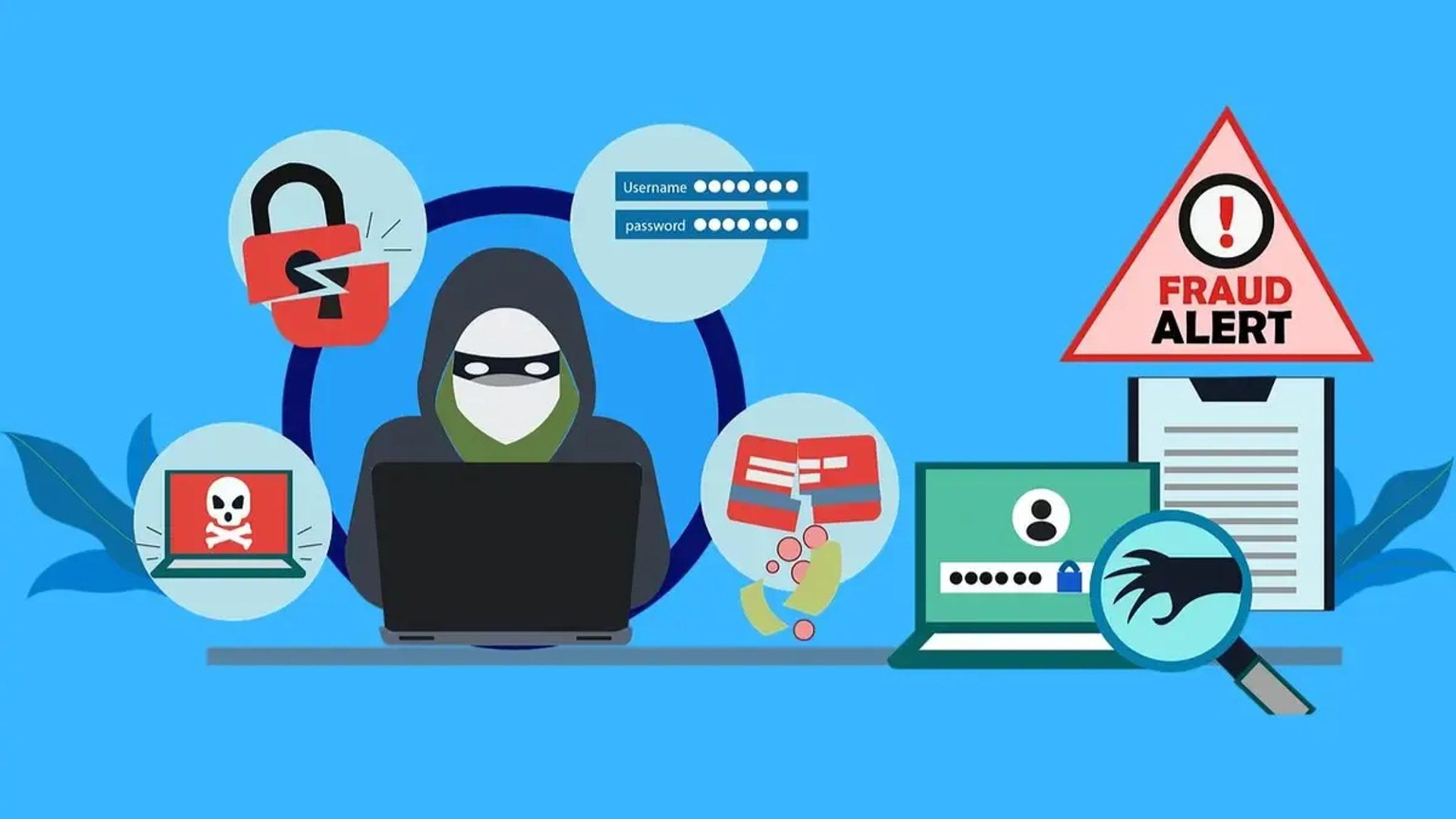
The internet has transformed the way we live, work, and connect with the world. From ordering groceries with a few taps to transferring money instantly, applying for jobs online, or staying in touch with loved ones across the globe digital convenience has become an integral part of our daily lives. Everything is faster, easier, and more accessible than ever before.
However, this digital ease comes with a hidden downside that many people underestimate: the rising threat of online scams.
As technology evolves, so do the ways used by today's scammers. What once looked like obvious fraud has now become highly sophisticated and difficult to detect. Today’s cybercriminals use psychological tricks, realistic-looking websites, and even AI-generated messages to deceive users. Whether it’s a fake job offer promising high salaries, a UPI payment request disguised as a refund, or a phishing email that looks exactly like it came from your bank these scams are designed to exploit trust and urgency.
The scary part? Anyone can fall victim. You don’t have to be careless or inexperienced. Even tech-savvy users sometimes get caught off guard because these scams are becoming more personalized and convincing by the day. According to recent trends, thousands of people lose money, sensitive data, and access to their accounts every single day often within minutes of a single click.
Beyond financial loss, the emotional impact can be just as damaging. Victims often experience stress, anxiety, and a loss of confidence in using digital platforms. And with the increasing dependency on online systems for everything from banking to healthcare, staying informed is no longer just a precaution it’s a necessity.
If you use the internet regularly (and let’s be honest, who doesn’t?), understanding online scams is no longer optional it’s essential. In this blog, we’ll break down the most common types of online scams, share real-life examples, and give you practical, easy-to-follow tips to protect yourself and your loved ones in the digital world.
What Are Online Scams?
Online scams are fraudulent activities carried out over the internet with the intent to steal money, sensitive personal information, or sometimes both. These scams can occur across multiple digital platforms emails, fake websites, social media, phone calls, SMS, and messaging apps like WhatsApp making them harder to track and avoid.
What makes online scams especially dangerous is how convincingly real they appear. Modern scammers no longer rely on poorly written messages or obvious tricks. Instead, they carefully design their approach to look authentic, professional, and trustworthy. From logos and email formats to language and tone, everything is crafted to make you believe you’re interacting with a legitimate source.
In many cases, scammers impersonate well-known and trusted entities to lower your guard. They may pretend to be:
Bank officials requesting urgent verification of your account
Recruiters offering high-paying job opportunities
Government authorities asking for documentation or penalties
Trusted brands offering exclusive deals, discounts, or refunds
Their goal is simple but highly effective: gain your trust and exploit it.
To do this, they often create a sense of urgency or fear. You might receive messages like “Your account will be blocked today,” “Limited-time job opportunity,” or “Claim your reward now before it expires.” These tactics are designed to push you into making quick decisions without verifying the authenticity of the request.
Another common strategy is emotional manipulation. Scammers may use excitement (winning a prize), fear (account suspension), or curiosity (unexpected messages) to influence your actions. Once you respond or click on a link, you may unknowingly share sensitive details such as passwords, OTPs, or bank information.
The reality is that online scams are not just technical attacks they are psychological traps. Understanding how they work is the first step toward protecting yourself in an increasingly digital world.
Why Online Scams Are Increasing
Before diving into the types of online scams, it’s important to understand why they are growing so rapidly. The rise isn’t accidental it’s closely linked to how our digital habits have evolved over the years.
One of the biggest reasons is the surge in digital transactions. With tools like UPI, mobile wallets, and online banking becoming a part of everyday life, people are transferring money more frequently than ever. While this convenience is a major advantage, it also creates more opportunities for scammers to target users through fake payment requests, refund scams, and fraudulent links.
Another key factor is the shift toward online work and job hunting. More people are applying for jobs, freelancing, and networking through digital platforms. Scammers take advantage of this by posting fake job listings, sending fraudulent offer letters, or asking for “registration fees” in the name of employment. For job seekers especially freshers or those restarting their careers these scams can feel very real and tempting.
Lack of awareness about cyber safety continues to be a major concern. Many users are still unaware of basic online security practices, such as verifying links, avoiding sharing OTPs, or identifying suspicious messages. This knowledge gap makes it easier for scammers to succeed, especially when targeting first-time internet users or less tech-savvy individuals.
Social media has also become a goldmine for scammers. People often share personal details like phone numbers, email IDs, workplace information, and even daily routines online. This information can be misused to create highly personalized scams that feel more trustworthy. For example, a scammer might pose as someone from your workplace or mimic a brand you recently interacted with.
Lastly, scammers themselves are evolving. They are constantly adapting to new technologies and trends, making their tactics more advanced and harder to detect. From using professional-looking websites to AI-generated messages and caller ID spoofing, today’s scams are far more sophisticated than they used to be.
In simple terms, as our dependence on the internet grows, so does the opportunity for cybercriminals. This makes awareness and caution not just important but essential for staying safe online.
Most Common Online Scams You Should Know
Let’s explore the most common types of online scams you’re likely to encounter. Understanding how these scams work can help you stay alert and avoid becoming a victim.
Phishing scams are among the oldest and most widespread online scams, yet they continue to fool people every day. In this type of scam, you receive an email, SMS, or message that appears to be from your bank or a trusted company. The message usually asks you to click a link, enter your login details, or verify your account. For example, you might get a message saying, “Your bank account will be blocked. Click here to update your details.” The link takes you to a fake website that looks real but is designed to steal your credentials. Common red flags include urgent language, suspicious links, poor grammar, and unknown sender details.
UPI and QR code scams have increased significantly with the rise of digital payments in India. In this scam, a fraudster sends you a QR code or payment request claiming that you will receive money, such as cashback or a refund. However, scanning the code or approving the request actually sends money from your account instead of receiving it. A simple but important rule to remember is that you never need to enter your PIN to receive money if a PIN is required, it means you are making a payment.
Fake job scams are particularly dangerous for job seekers. Scammers often post fake job openings or reach out through WhatsApp, Telegram, or email, offering high salaries and easy work-from-home opportunities. Once you show interest, they may ask for registration fees, training charges, or personal documents. For instance, you might receive a message saying, “Congratulations! You’ve been selected. Pay Rs.2,000 for onboarding.” It’s important to remember that legitimate companies never ask for payment during the hiring process.
Online shopping scams take advantage of people looking for great deals. Fraudsters create fake e-commerce websites or run social media ads offering branded products at extremely low prices, sometimes up to 80% off. After you place an order and make the payment, you may either receive a low-quality product or nothing at all. Warning signs include the absence of customer reviews, lack of a return policy, and websites that only accept prepaid payments.
OLX and reselling scams are common among people trying to sell products online, especially on platforms like OLX. In this scam, a buyer pretends to be interested in your product and sends a fake payment screenshot. They may also ask you to scan a QR code or share an OTP for verification. Instead of receiving money, you end up losing it. These scams rely on creating confusion and urgency during the transaction.
Lottery and prize scams play on excitement and curiosity. You may receive a message claiming that you’ve won a large prize or lottery amount, such as ₹25 lakh. However, to claim the reward, you’re asked to pay processing fees, taxes, or delivery charges. Once payment is done, the scammer disappears. A simple reality check is helpful here if you didn’t enter a contest, you didn’t win anything.
Social media account scams exploit trust within your network. Hackers gain access to someone’s account and impersonate them to send messages asking for money or sharing suspicious links. You might receive a message from a “friend” requesting urgent financial help or offering something tempting like free followers or verification. Clicking such links or responding can lead to your own account being compromised.
Fake loan apps target individuals in urgent need of money. These apps are often downloaded from unknown sources and ask for access to your contacts, photos, and personal data. After providing a small loan or sometimes none at all scammers begin harassing you for repayment. They may threaten to leak your personal information or contact your friends and family, causing both financial and emotional distress.
Being aware of these common online scams is your first step toward staying safe. In most cases, taking a moment to verify before acting can protect you from serious financial loss and unnecessary stress.
How to Identify Online Scams
Recognizing online scams early can save you from major financial and emotional losses. While scammers are becoming more sophisticated, most fraudulent attempts still leave behind warning signs if you know what to look for.
One of the most common indicators is an offer that seems too good to be true. Whether it’s a massive discount, a high-paying job with minimal effort, or a sudden lottery win, unrealistic promises are often used to grab your attention and lower your guard. Scammers rely on excitement to push you into quick decisions without thinking twice.
Another major red flag is urgency or pressure tactics. Messages like “Act now or your account will be blocked,” or “Limited-time offer only a few minutes left!” are designed to create panic. When you feel rushed, you’re less likely to verify the authenticity of the request, which is exactly what scammers want. Be extremely cautious if anyone asks for sensitive information such as your OTP, PIN, passwords, or bank details. No legitimate company, bank, or government authority will ever ask for such confidential information through calls, messages, or emails. Sharing these details can instantly compromise your accounts.
Unknown links and attachments are another common trap. Scammers often send malicious links that lead to fake websites or harmful downloads. Clicking on these links can result in stolen data or malware being installed on your device. Always double-check the URL and avoid clicking on links from unfamiliar or suspicious sources. You should also pay attention to the quality of websites and messages. Poorly designed websites, spelling mistakes, unusual email addresses, and inconsistent branding are often signs of a scam. While some scammers create highly polished pages, many still overlook these small but telling details.
At the end of the day, trust your instincts. If something feels off, it might be. Taking a moment to pause, verify, and think before acting can make all the difference in protecting yourself from online scams.
How to Stay Safe from Online Scams
Now comes the most important part protection. While online scams are becoming more advanced, a few smart habits can significantly reduce your risk and keep your personal and financial information secure.
The first and most important rule is to never share sensitive information. Your OTP, PIN, passwords, and bank details are strictly confidential. No genuine bank, company, or government authority will ever ask for these details via calls, messages, or emails. The moment someone asks for such information, it’s a clear red flag.
Another crucial step is to verify before you trust. Whether it’s a job offer, payment request, or an email claiming to be from a known organization, always cross-check through official channels. Visit the company’s official website, contact their customer support, or confirm through verified sources before taking any action. A few minutes of verification can save you from serious fraud.
You should also avoid clicking on suspicious links, even if the message looks genuine. Scammers often create links that closely resemble real websites. Always check the URL carefully for small differences, spelling errors, or unusual domain names. When in doubt, manually type the website address instead of clicking on links.
Using strong and unique passwords is another essential safety practice. Avoid using the same password across multiple accounts, as this makes it easier for hackers to gain access to all your profiles if one gets compromised. Create passwords that combine letters, numbers, and special characters, and update them regularly.
To add an extra layer of protection, always enable Two-Factor Authentication (2FA) wherever possible. This ensures that even if someone gets your password, they won’t be able to access your account without a second verification step, such as an OTP or authentication app.
It’s also important to be cautious when using public Wi-Fi. Open networks in cafes, airports, or public places are often unsecured, making it easier for hackers to intercept your data. Avoid making financial transactions or accessing sensitive accounts on such networks unless you’re using a secure connection.
Lastly, make sure to shop only from trusted websites. Before making a purchase, check customer reviews, ratings, and return policies. Avoid websites that only offer prepaid options or lack basic credibility signals. If a deal looks unrealistically cheap, it’s better to double-check before proceeding.
Staying safe online isn’t about being paranoid it’s about being aware and cautious. By following these simple practices, you can protect yourself and confidently navigate the digital world without falling victim to online scams.
What to Do If You Fall Victim to Online Scams
Even the most careful users can sometimes fall into the trap of online scams. The key is not to panic but to act quickly and smartly. Your immediate response can make a big difference in minimizing damage and even recovering lost money. The first step is to inform your bank or payment provider immediately. If you’ve shared sensitive details or noticed an unauthorized transaction, contact your bank’s customer care right away. Request them to block your account, card, or UPI services if necessary. The faster you report, the higher the chances of stopping or reversing the transaction.
Next, secure all your accounts by changing passwords. Update the passwords of your bank accounts, email, social media, and any other platforms linked to the compromised information. Make sure to create strong, unique passwords and enable two-factor authentication wherever possible to prevent further unauthorized access.
It is also crucial to report the incident to the authorities. In India, you can file a complaint on the official cybercrime portal:
You can also call the cyber fraud helpline 1930, which is specifically designed for quick assistance in financial fraud cases. Prompt reporting increases the chances of tracking the fraud and taking action against the scammers.
Don’t forget to collect and preserve evidence. Take screenshots of messages, emails, transaction receipts, phone numbers, and any suspicious links. These details are extremely important when filing a complaint and can help authorities investigate the case more effectively.
Most importantly, remember that acting fast is your strongest defense. Delays can make it harder to trace transactions or recover lost funds. Even if the amount seems small, reporting the incident can help prevent further loss and protect others from falling victim to the same scam.
Staying calm, alert, and proactive can help you regain control of the situation and reduce the overall impact of online scams.
Expert Tips to Stay Ahead of Online Scams
Staying one step ahead of online scams requires more than just basic awareness it’s about building smart digital habits. One of the most effective ways to protect yourself is to stay updated with the latest scam trends. Cybercriminals are constantly changing their tactics, so keeping yourself informed through news, blogs, or official advisories can help you recognize new threats early.
It’s equally important to educate your family members, especially elders who may not be as familiar with digital platforms. Scammers often target them with emotional or urgent messages, making them more vulnerable. A simple conversation about common scams and safety practices can go a long way in protecting your loved ones.
Another key habit is to avoid oversharing personal information online. Details like your phone number, email address, workplace, or daily routine can be misused by scammers to create convincing and personalized fraud attempts. The less information you make publicly available, the harder it becomes for scammers to target you.
Using antivirus software and security tools adds an extra layer of protection. These tools can help detect malicious links, block harmful downloads, and alert you about potential threats before they cause damage. Keeping your devices updated with the latest security patches is equally important.
Above all, trust your instincts. If something feels unusual, rushed, or too good to be true, don’t proceed. Taking a moment to pause and verify can prevent costly mistakes. In many cases, your intuition is your first line of defense.
The Future of Online Scams
As technology evolves, so do the methods used by scammers. The future of online scams is becoming increasingly sophisticated and harder to detect. With the rise of advanced technologies like AI-generated messages, deepfake videos, and highly targeted phishing techniques, scams are no longer easy to spot. Fraudsters can now mimic real voices, create realistic videos, and craft personalized messages that closely resemble genuine communication from trusted sources. This shift makes awareness and digital literacy more important than ever. It’s no longer enough to rely on obvious warning signs users need to stay informed, cautious, and proactive in their approach to online safety.
Conclusion
Online scams are not just technical attacks they are human-centered strategies that exploit trust, urgency, and lack of awareness. The good news is that most scams can be avoided with simple precautions and a mindful approach. By staying informed and practicing safe online behavior, you can significantly reduce your chances of becoming a victim.
Remember:
Don’t trust blindly
Verify everything
Protect your personal information
Staying safe online isn’t complicated it simply requires awareness, caution, and a willingness to pause before taking action.
Final Thought
The next time you receive a “too good to be true” offer or an urgent message asking for your details, take a moment to stop and think. That small pause could be the difference between staying safe and becoming the next victim of online scams.


Community
Company
Resources
© 2026. All rights reserved.